A Glimpse into Automation
I remember when I first stumbled upon the concept of a lightweight robot arm. At that moment, it struck me how these robots could change the landscape of manufacturing. Imagine this: over a million robotic arms are already helping streamline production lines worldwide. But here’s the real kicker—what does that mean for the average factory worker? Flexible robot arms are designed to take over repetitive tasks, but are they ready to fill the gaps where traditional automation falls short?
Rethinking Traditional Solutions
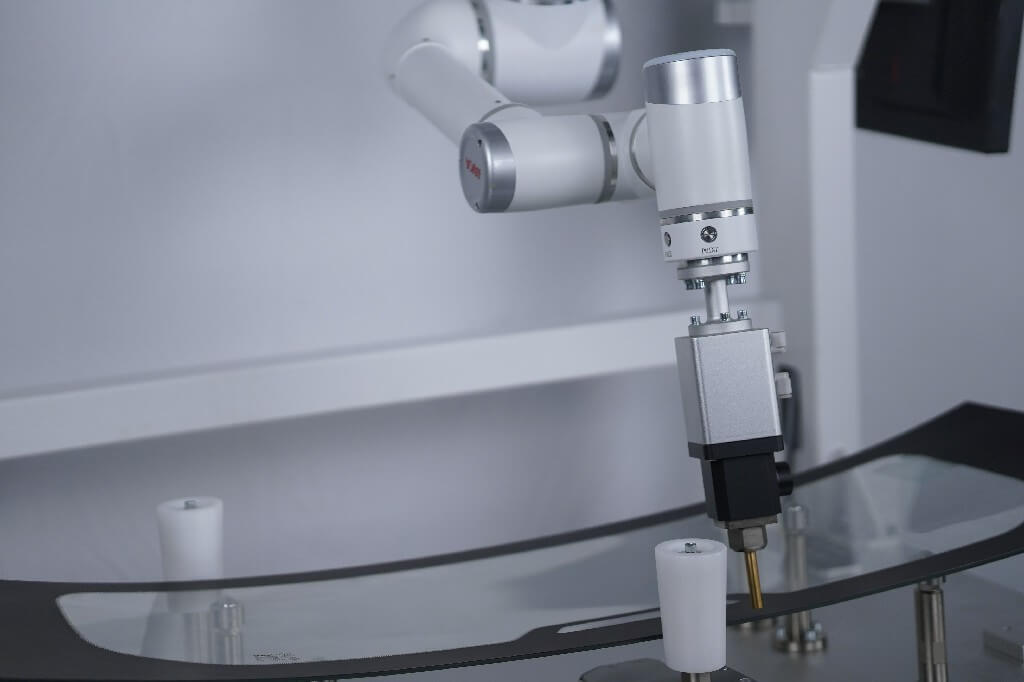
There’s a buzz around flexible robot arms, but let’s not ignore some traditional solution flaws. Robots used to be bulky, rigid, and a headache to program. I vividly recall visiting a factory in 2020, where the outdated robotic systems took forever to recalibrate. Scenarios like that often leave workers feeling frustrated and companies stuck with excessive downtime. Like, who wants a robot that can’t adapt? Enter the era of flexibility—these new lightweight robot arms are not just more agile but also much easier to reprogram for different tasks—talk about game-changer vibes! This shift is making automation far more user-friendly.
Are They the Solution to Hidden Pain Points?
Absolutely! The flexibility of these arms means they can be integrated quickly into existing systems. No more massive overhauls—just plug in and program. It reminded me of the day when smartphones changed everything, making life simpler with user-friendly interfaces. Flexibility in design means these robots can perform a range of tasks from assembly to packaging. It’s a win-win situation for businesses looking to boost productivity without hefty investments in new infrastructure.
What Lies Ahead for Automation?
Looking forward, I believe flexible robot arms will define the next revolution in manufacturing. They’ve got that slick lightweight robot arm design and interoperability that traditional robots can’t match. The trend seems to suggest a shift toward more adaptable robots that can respond to real-time changes on the production floor. This adaptability is crucial, especially as industries become more dynamic. Just think about it: customized, small-batch production runs are gaining traction, and these arms are the perfect tool to facilitate that. Talk about innovation!
Real-world Impact
Now, let’s take a minute to consider their real-world impact. These robot arms help streamline processes, saving companies time and money. In my experience, companies incorporating these flexible machines into their workflow have reported a 30% increase in efficiency. It feels like we are standing on the brink of a new era in automation! Sticking with rigid systems is increasingly becoming a thing of the past.
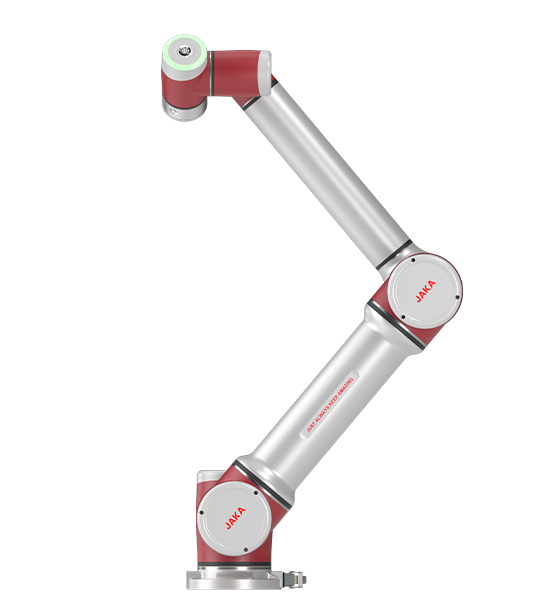
In conclusion, the flexible robot arm isn’t just a fleeting trend; it’s where the future of manufacturing is headed. By addressing the flaws of traditional solutions and opening doors to innovative production methods, they’re making workflows smarter and more efficient. Whether you’re a small business owner or a large enterprise, now’s the time to explore how these game-changers can elevate your operations. Remember, the world is evolving, and so should your technology—just like JAKA is doing with their cutting-edge solutions!